
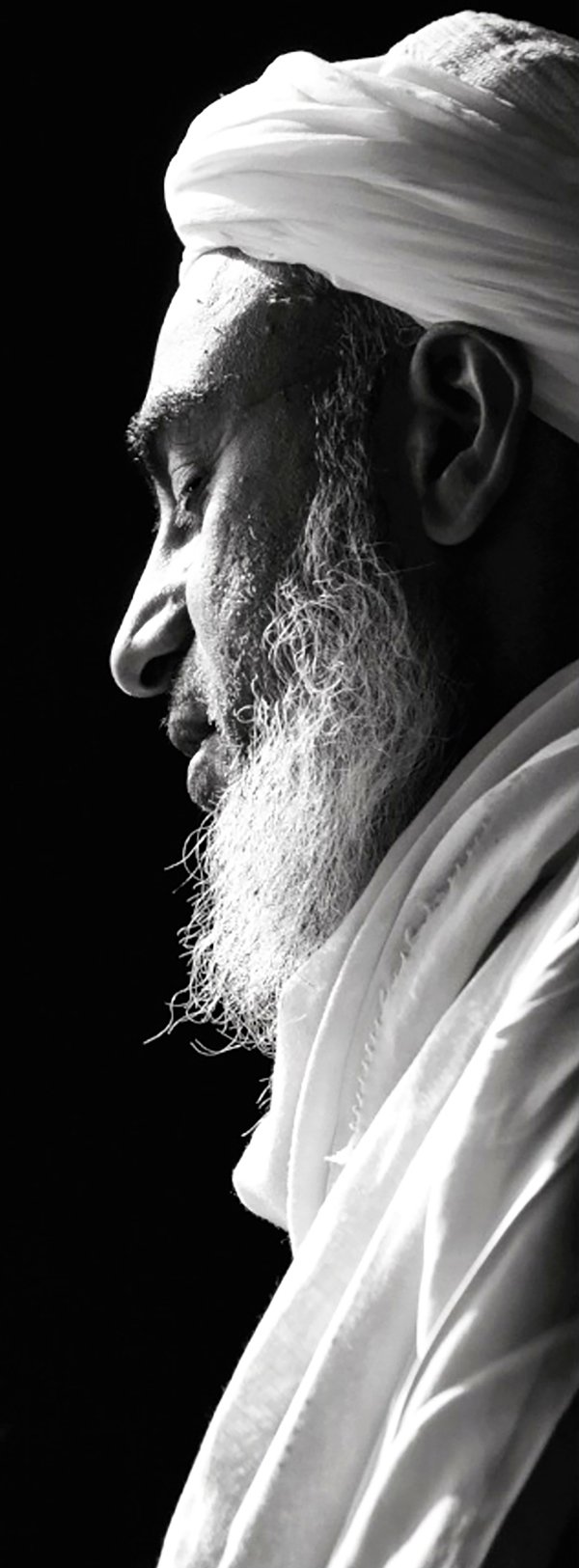
Dr. Muzafffar Iqbal
Author of two novels, translator of Arabic and Spanish poetry and literature, and deeply rooted in the Islamic spiritual and intellectual traditions, Dr. Iqbal offers a uniquely Qur’anic perspective on teaching English as an Islamic Language. This 5-lecture course is designed to provide foundational knowledge as well as practical suggestions.
English, Language, and Meaning
Teaching English from the Qurʾānic Worldview
All lectures are held at 11 am MST
Sunday, March 29, 2026
Lecture 1: Language as Divine Gift
Bayān, Meaning, and Responsibility
This lecture establishes the Qurʾānic foundations of language. Teachers explore bayān as a divine endowment, the moral weight of speech, and the Qurʾānic understanding of words as vehicles of truth, falsehood, remembrance, and forgetting.
Sunday, April 5, 2026
Lecture 2: Words, Worldview, and the Making of the Self
Narrative, Voice, and Identity
This lecture examines how modern literature and language instruction subtly form the student’s sense of “I”: autonomy, desire, alienation, or resistance. Teachers are guided to contrast secular narrative assumptions with the Qurʾānic self—addressed, accountable, purposeful.
Sunday, April 12, 2026
Lecture 3: Truth, Meaning, and Imagination
Against Relativism and Cynicism
This lecture addresses the modern crisis of meaning: irony, nihilism, and the reduction of truth to perspective. Teachers explore the Qurʾānic grounding of truth (ḥaqq), imagination as moral faculty, and the difference between ambiguity and meaninglessness.
Sunday, April 19, 2026
Lecture 4: Reading the World through Texts
Literature, Power, and Moral Law
This lecture situates literature within history, power, and moral consequence. Teachers are trained to help students read texts as products of particular moral worlds—colonial, industrial, secular—without flattening them into ideology.
Sunday, April 26, 2026
Lecture 5: Teaching English as an Islamic Language
From Skill Acquisition to Formation
The final lecture integrates the course into classroom practice. Teachers reflect on how lesson design, discussion questions, writing prompts, and assessment can reflect an Islamic worldview without preaching or dilution.