

Courses that transform the way we see

MEF-CIS is offering two strands of courses in the 2026 series: Foundational and Teacher formation
Foundational Courses foreground worldview and pedagogy; they teach how to make the epistemic shift. These include subject-level courses.
Teacher Formation Courses focus on the self: Who am I?
March 28, 2026—April 18, 2026
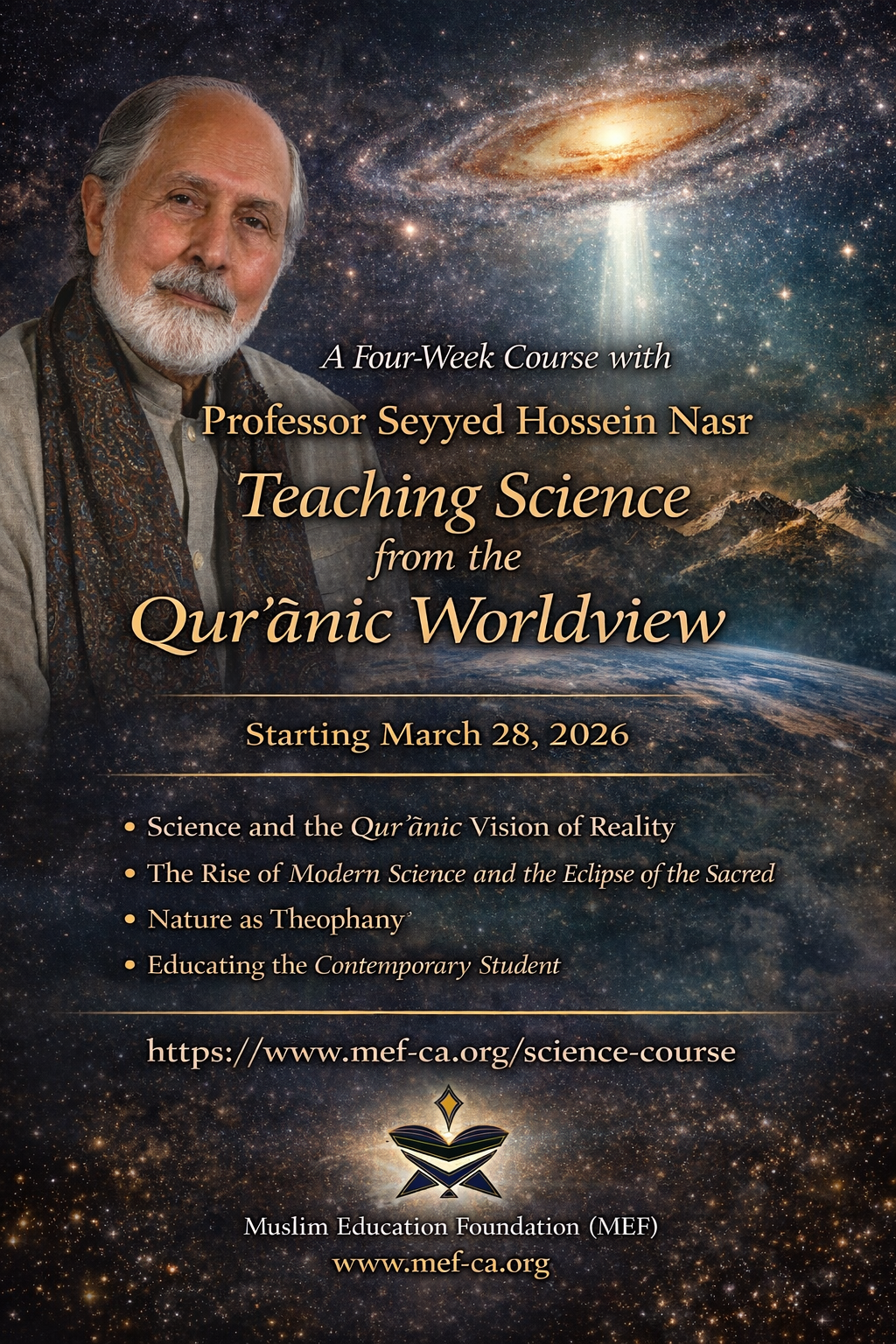
Teaching Science from the Qur’anic Worldview
Over the last 70 years, Professor Seyyed Hossein Nasr has articulated the metaphysical foundations of science and traditional Islamic cosmology with clarity, rigor, and depth. His numerous books on crisis of modern science, traditional Islamic sciences, and Nature have provided clarity to millions of people around the globe.
In our From Muslim to Islamic Schools initiative, Dr. Nasr offers a four-lecture course on teaching science from within the Qurʾānic worldview, exploring the cosmos as a field of divine signs (āyāt) and restoring metaphysical depth to scientific inquiry.
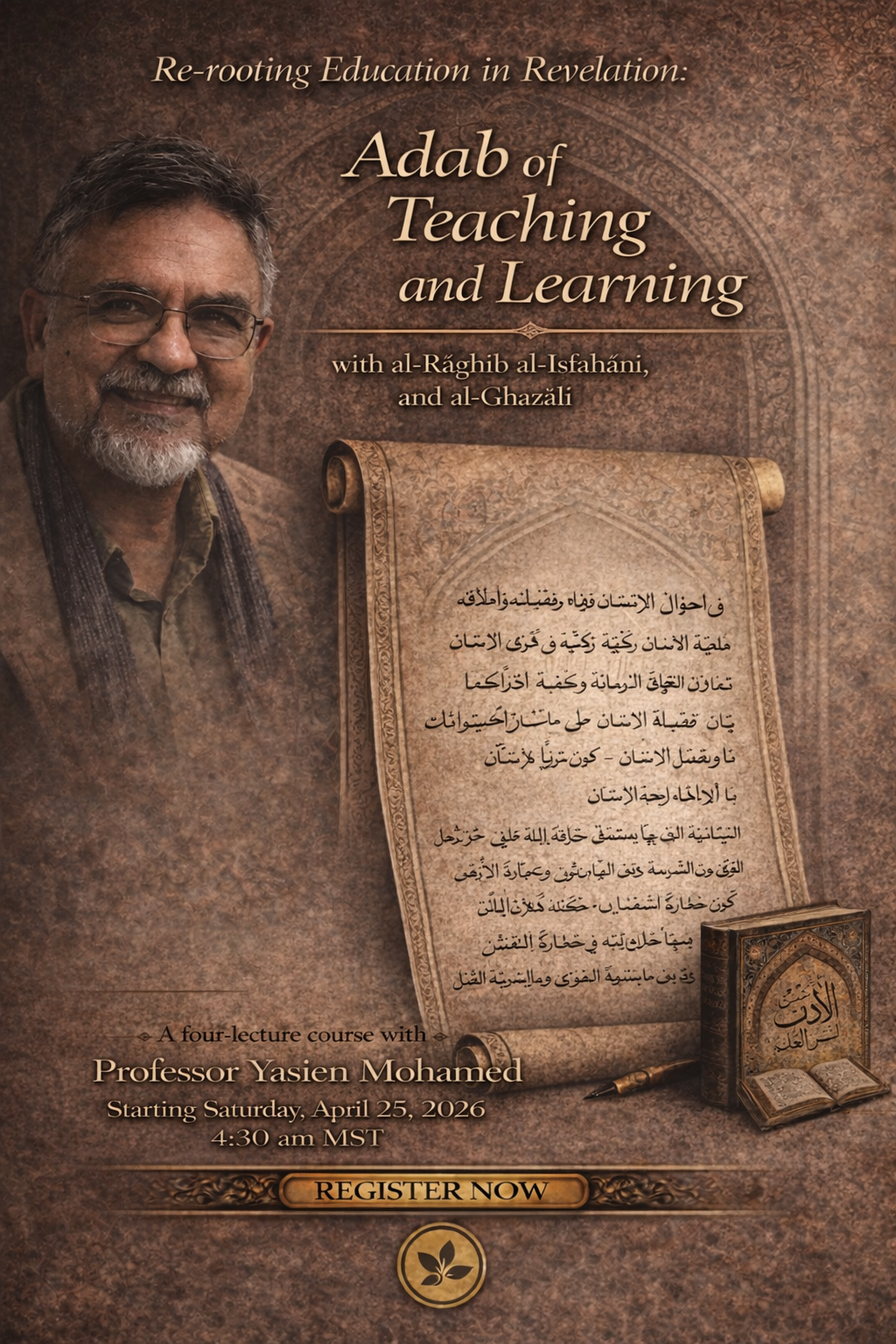
Re-rooting Education in Revelation:
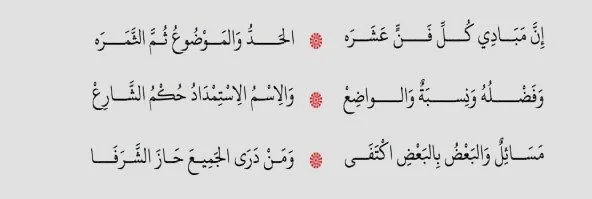
al-Mabādīʾ al-ʿAshara as Epistemic Lens
A 4-lecture course on the historical emergence and contemporary epistemic application of al-Mabādīʾ al-ʿAshara
Understanding the hierarchy of knowledge and learning
Every Sunday, Starting May 10, ending May 31, 2026
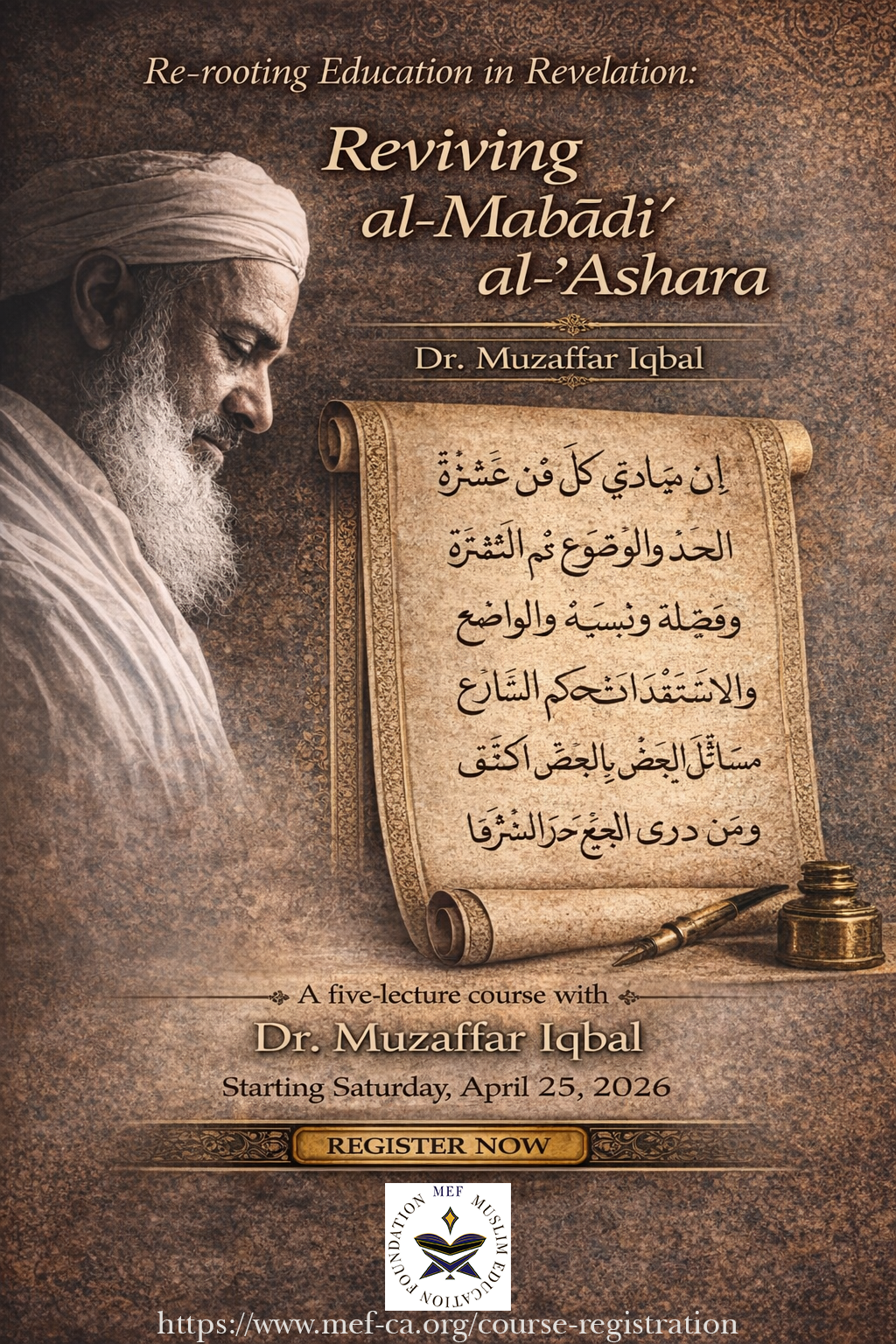
The Adab of Teaching and Learning: A 4-lecture course on Human Formation
with al-Rāghib al-Iṣfahānī and Imam al-Ghazālī
** Revised start date: Saturday May 2, 2026 **
Yasien Mohamed is Emeritus Professor of Arabic and Islamic Philosophy at the University of the Western Cape, South Africa. He holds a PhD in Islamic Ethics from Johann Wolfgang Goethe University, Frankfurt. He has authored over 100 peer-reviewed articles on classical Islamic thought, Islamic psychology, and Islamic education. His award-winning book, The Path to Virtue, has received international recognition. His latest work, The Art of Cultivating Noble Character (London, 2024), is the first English translation of al-Rāghib al-Iṣfahānī’s ethical treatise.
This course offers a sustained engagement with the concept of adab as the ethical and epistemic foundation of teaching and learning within the Islamic intellectual tradition. Drawing on the works of al-Rāghib al-Iṣfahānī and Abū Ḥāmid al-Ghazālī, it examines how the processes of learning and instruction are governed not merely by method, but by disciplined character, ordered intention, and a clear hierarchy of knowledge.

Teaching English from the Qur’anic Worldview
Why English Matters
In contemporary schooling, language—especially English—is often treated as a technical skill: reading comprehension, grammar, writing proficiency. In reality, language shapes how reality is perceived, how the self is narrated, how history is remembered, and how moral meaning is imagined.
This course trains teachers to teach English in a way that restores meaning, responsibility, and moral imagination, without compromising linguistic excellence.
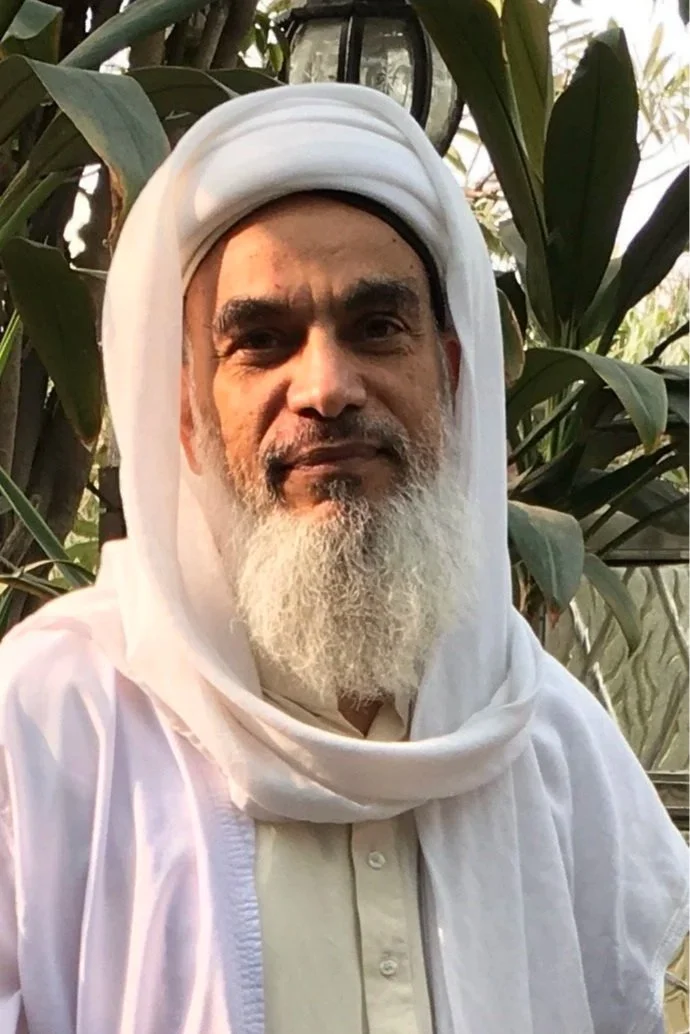
Dr. Muzaffar Iqbal

-
Our course materials are protected by copyright, and are not to be shared, copied, or redistributed.
-
Our courses do not currently grant any college credit.
-
You will have one-year unlimited access to any courses you purchase, so you can learn at your own pace and revisit the materials as needed.
-
Yes. Our platform is mobile-friendly.
-
Registered participants can join the Zoom online session, access recording later, and send questions before each lecture.
-
We encourage administrators to register the whole school through our school package. School packages can be administered internally. Depending on the number of seats chosen at the time of registration, individual passwords are issued for as many teachers as the school selects. See details at:
https://www.mef-ca.org/course-registration